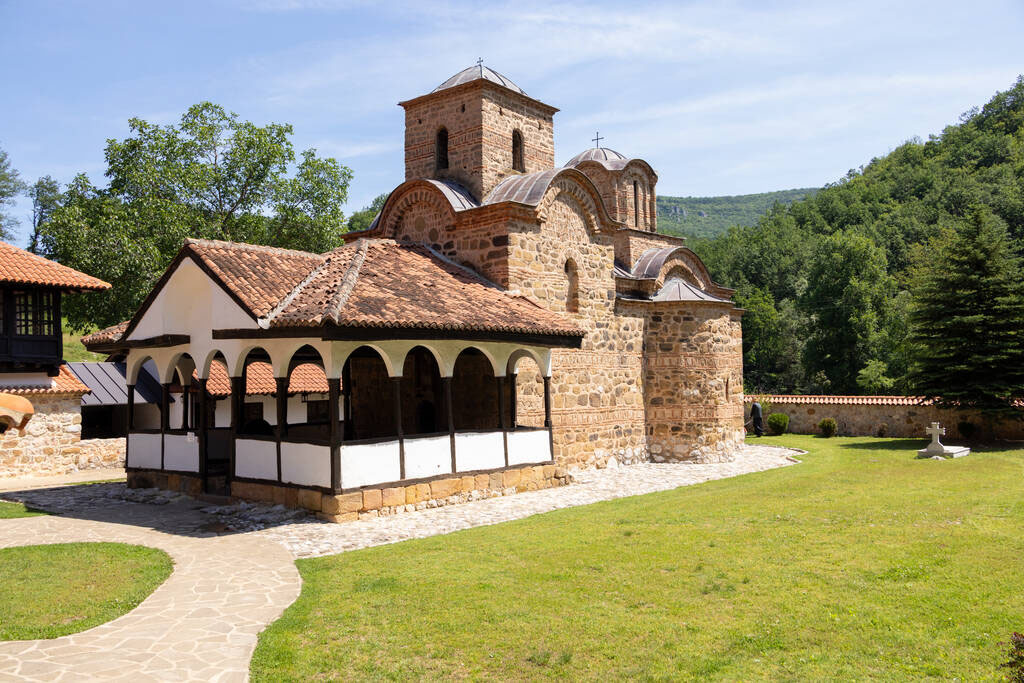
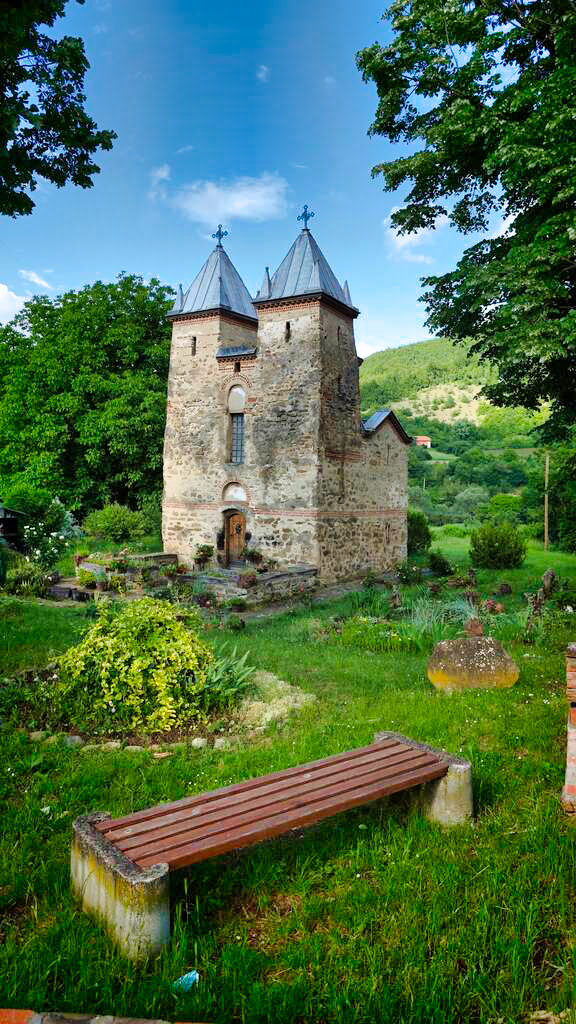
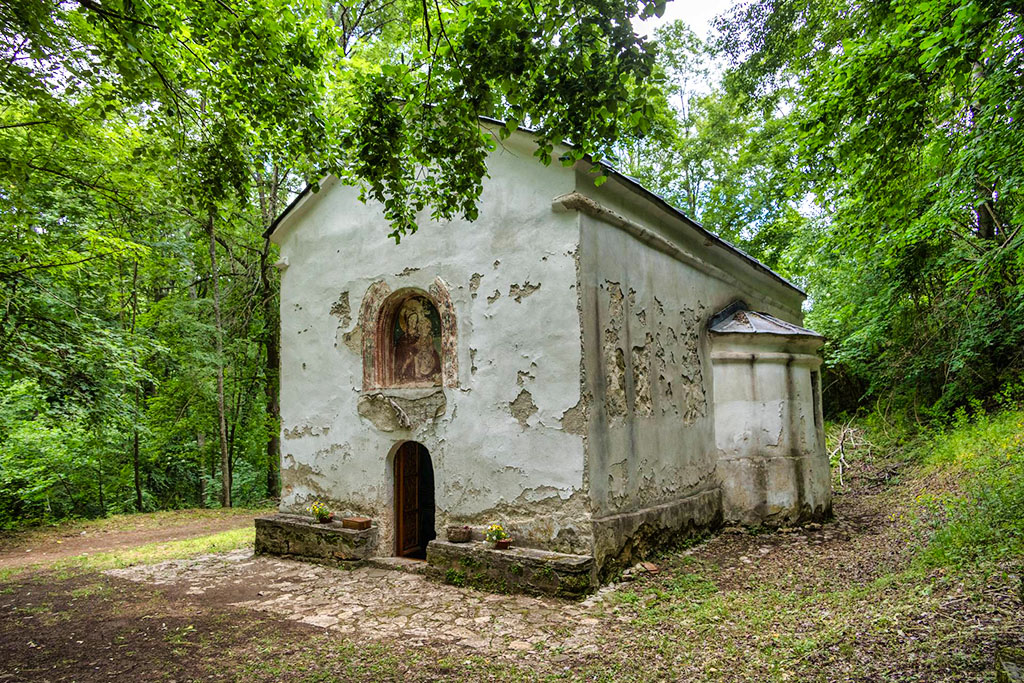
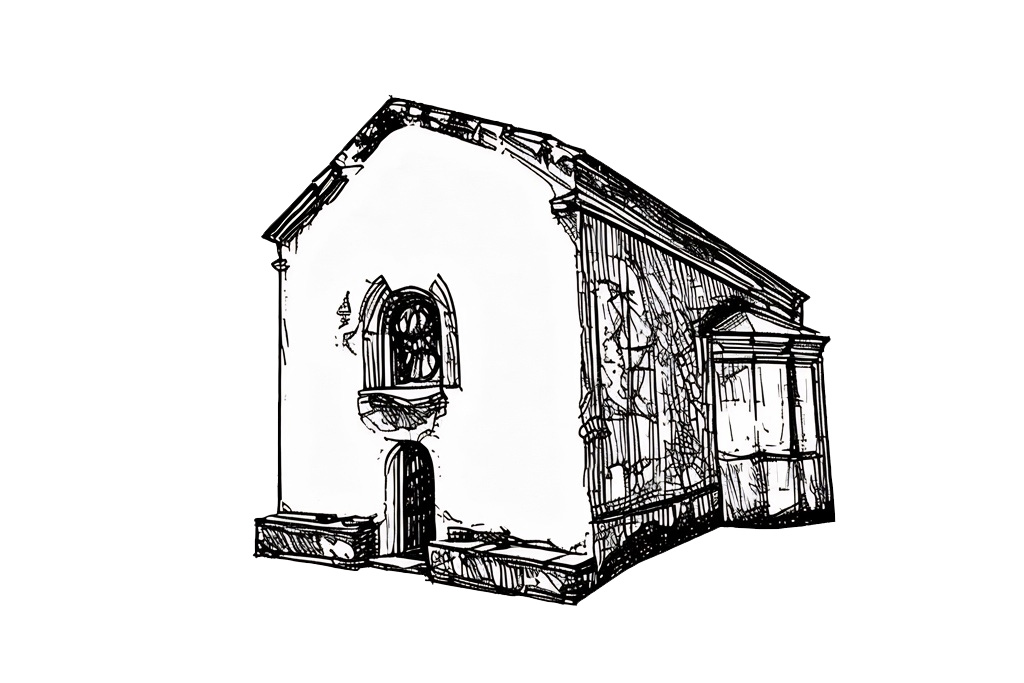
This year, the road led us to Eastern Serbia, which has many small but valuable and not sufficiently explored spiritual and cultural places. It is the area close to the Bulgarian and Macedonian borders; thus, connections between the monuments in these countries are more apparent here. Like in the rest of the region, these sites suffered destruction and desolation during the long Turkish occupation. BLAGO Team collected material for three collections: Monastery Krepichevac, Donja Kamenica, and Poganovo. |
|
|---|
| NEW COLLECTION:MONASTERY KREPICHEVAC |
|
|---|
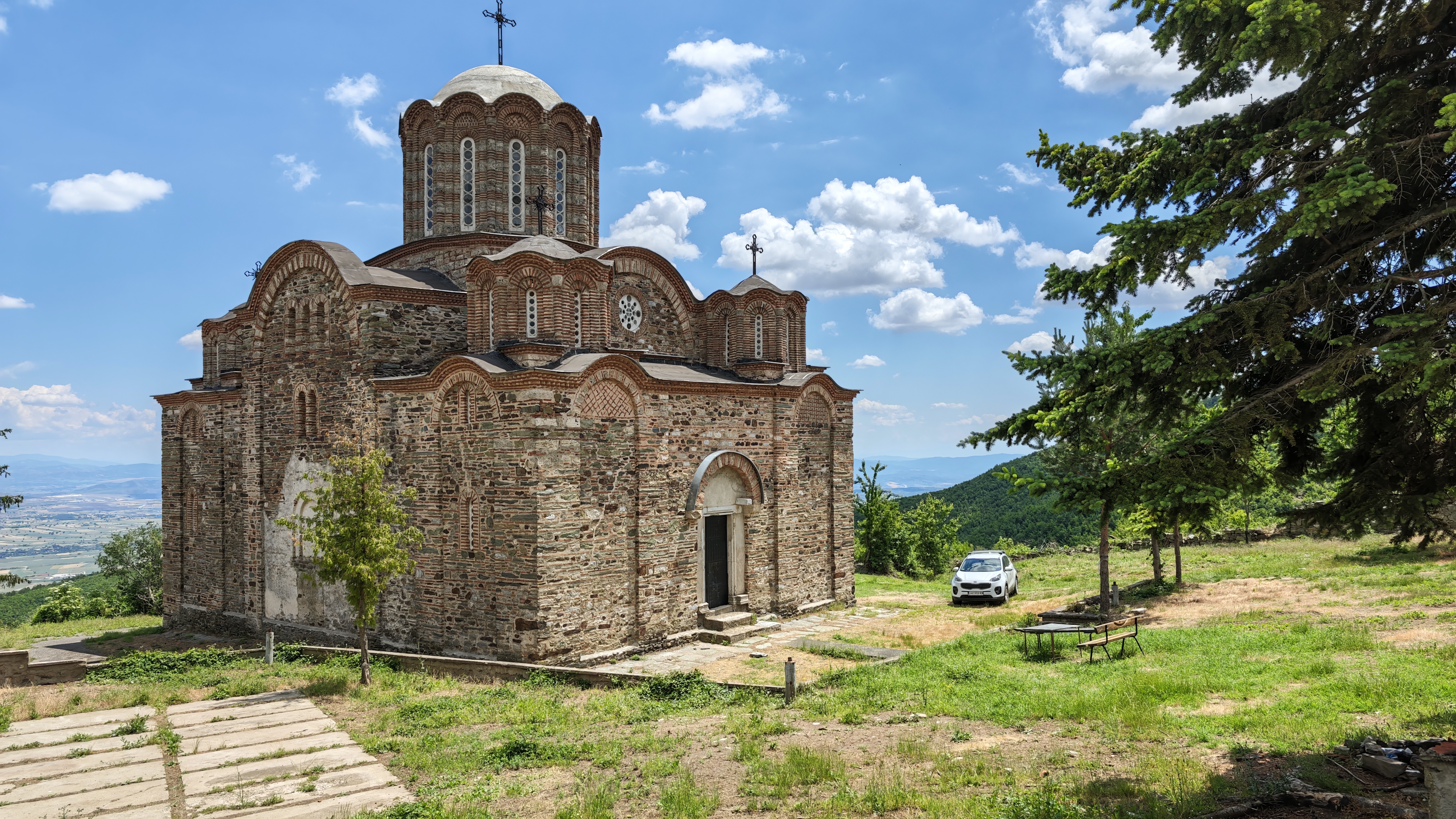
| The church, dedicated to the Dormition of the Most Holy Mother of God, was built at an old cult site in the late fifteenth or early sixteenth century and is already recorded in Ottoman tax registers by 1531. The founders belonged to a respected Christian family permitted by Ottoman authorities to construct and paint the church. A partially preserved inscription reveals the dedication, while the north wall of the narthex preserves the full donor composition with legible names.
Monastery Krepičevac, near the town of Boljevac, on the road between Paraćin and Zaječar, is part of the Serbian Orthodox church Timok Diocese, and lies at the foot of the Kučaj Mountains in the gorge of the Radovanjska River. However, this region is better known by the nearby mountain Rtanj.
Read More | | |
|
|---|
| Getting Ready: Monastery Mateič, N Macedonia | | The monastery was built in the 14th century on the ruins of an older, Byzantine Greek church built in 1057–59, as evidenced by preserved Greek inscriptions. It was mentioned for the first time in 1300 in a chrysobull of the Serbian king Stefan Milutin. In the mid-14th century, the Serbian emperor Stefan Dušan started reconstructing the monastery, finished by his son Stefan Uroš V in 1357 (thus becoming his endowment).
BLAGO team is preparing for the Mateič collection in September 2026.
|
|
|---|
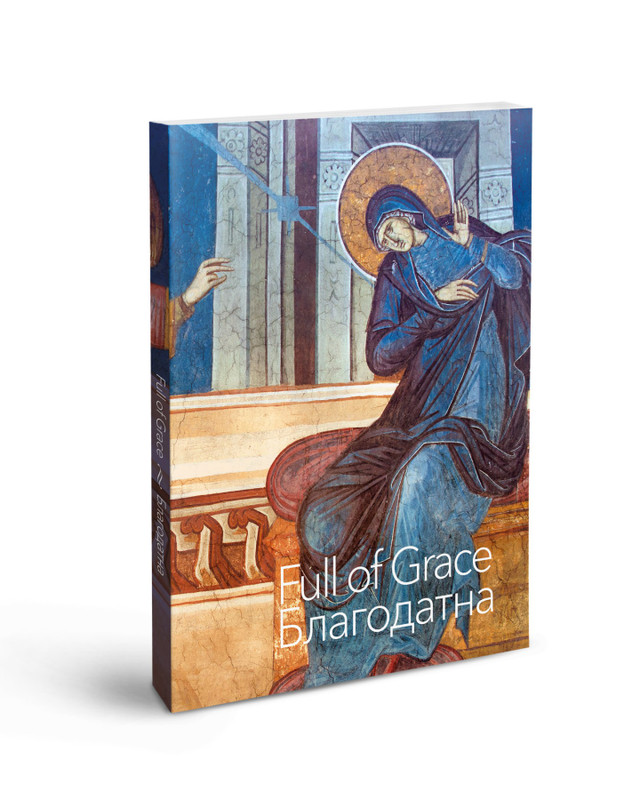
FULL OF GRACE / БЛАГОДАТНАThis richly illustrated book presents depictions of the Mother of God in Serbian medieval wall paintings. A unique, high-quality edition, with exquisite photographs accompanied by the texts written by Bishop Maksim Vasiljević and Ivana Lemcool, art historian Ph.D.
|
|
|
|
|
|
|
If you like our work and want to see us continue.
BLAGO is a non-profit, non-government organization with many volunteers. For over 20 years, we have been devoted to preserving and promoting Serbian cultural heritage. In doing so, we occasionally require the services of experts and helpers. To carry out our expeditions, we need to cover the cost of transportation and lodging. We manage photo equipment, web servers, desktops, disk arrays, and communication lines throughout the year.
|
|
|
|